
1. Botanical Profile & Characteristics
Like other Afghan landraces, the Panjshir poppy has adapted to survive harsh, nutrient-poor soils and dramatic temperature fluctuations. However, it displays several distinct morphology traits:
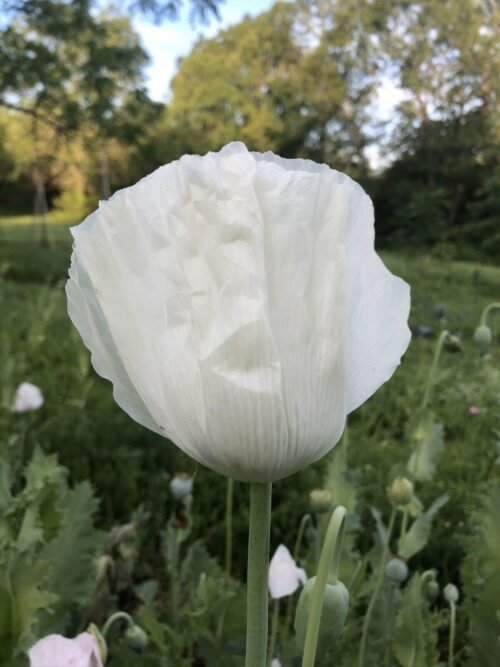
- Growth Habit & Architecture: It is exceptionally robust, frequently producing multiple stalks from a single base (a “bush” habit) rather than a single solitary stem. Stems and foliage are heavily glaucous—coated in a thick, bluish-grey waxy bloom that helps the plant retain moisture and resist frost.
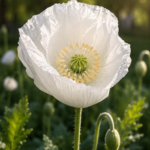
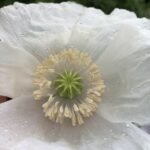
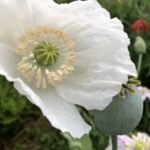
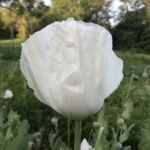
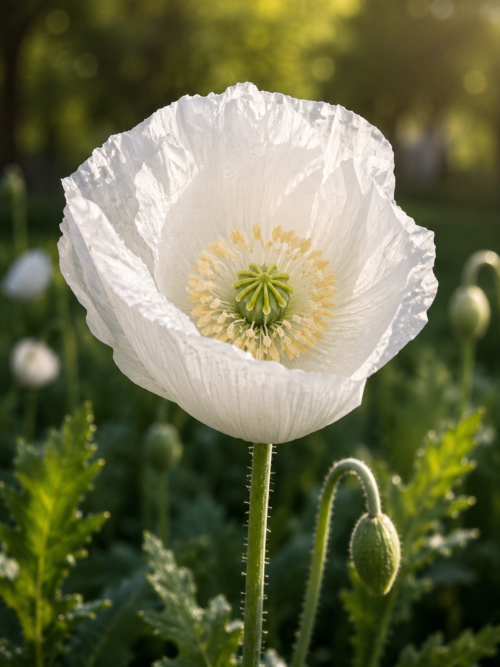
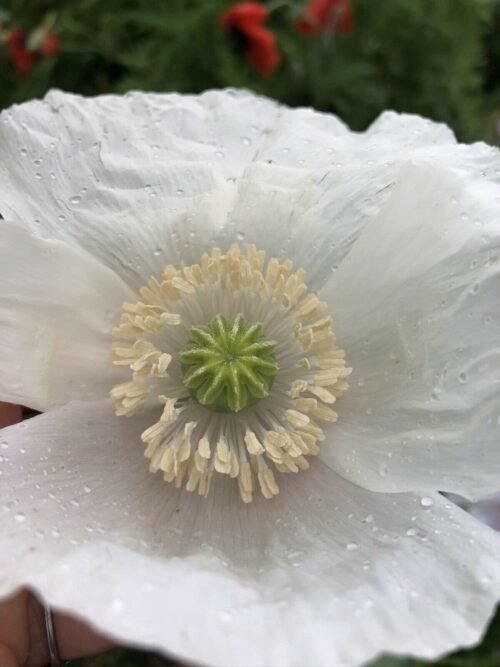
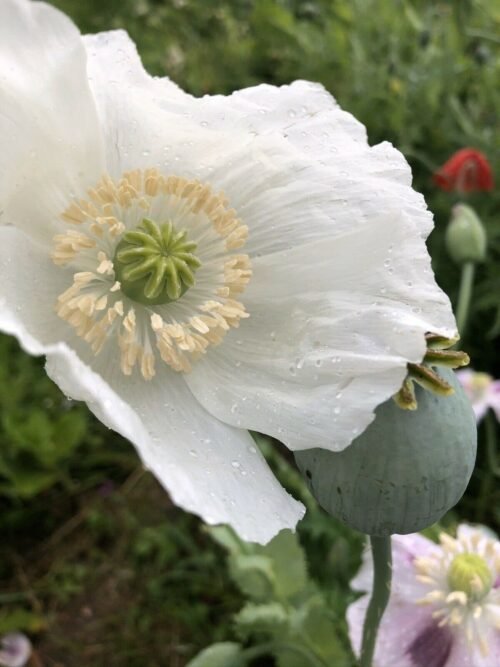
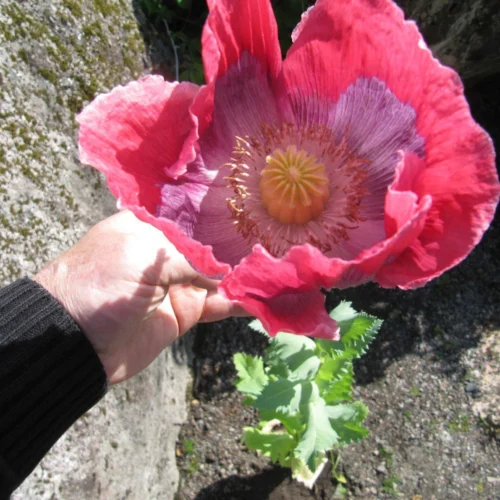
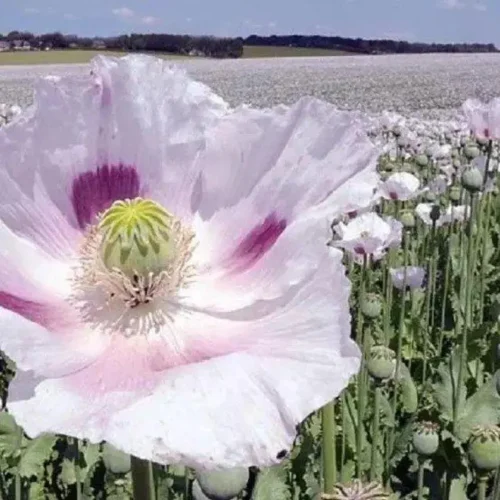
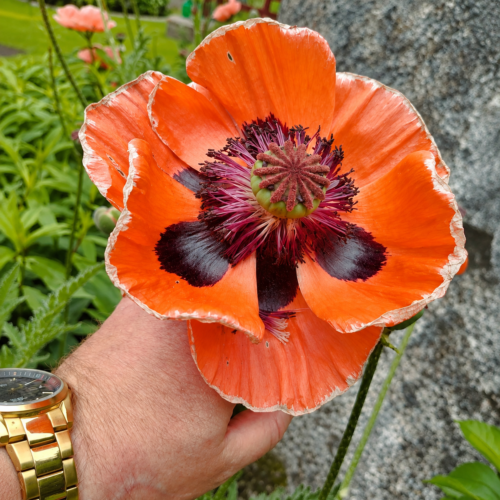
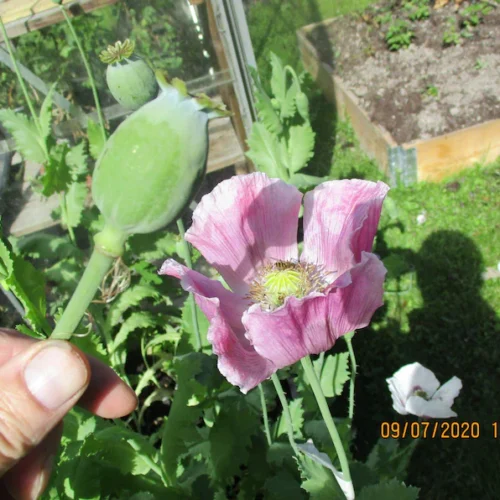
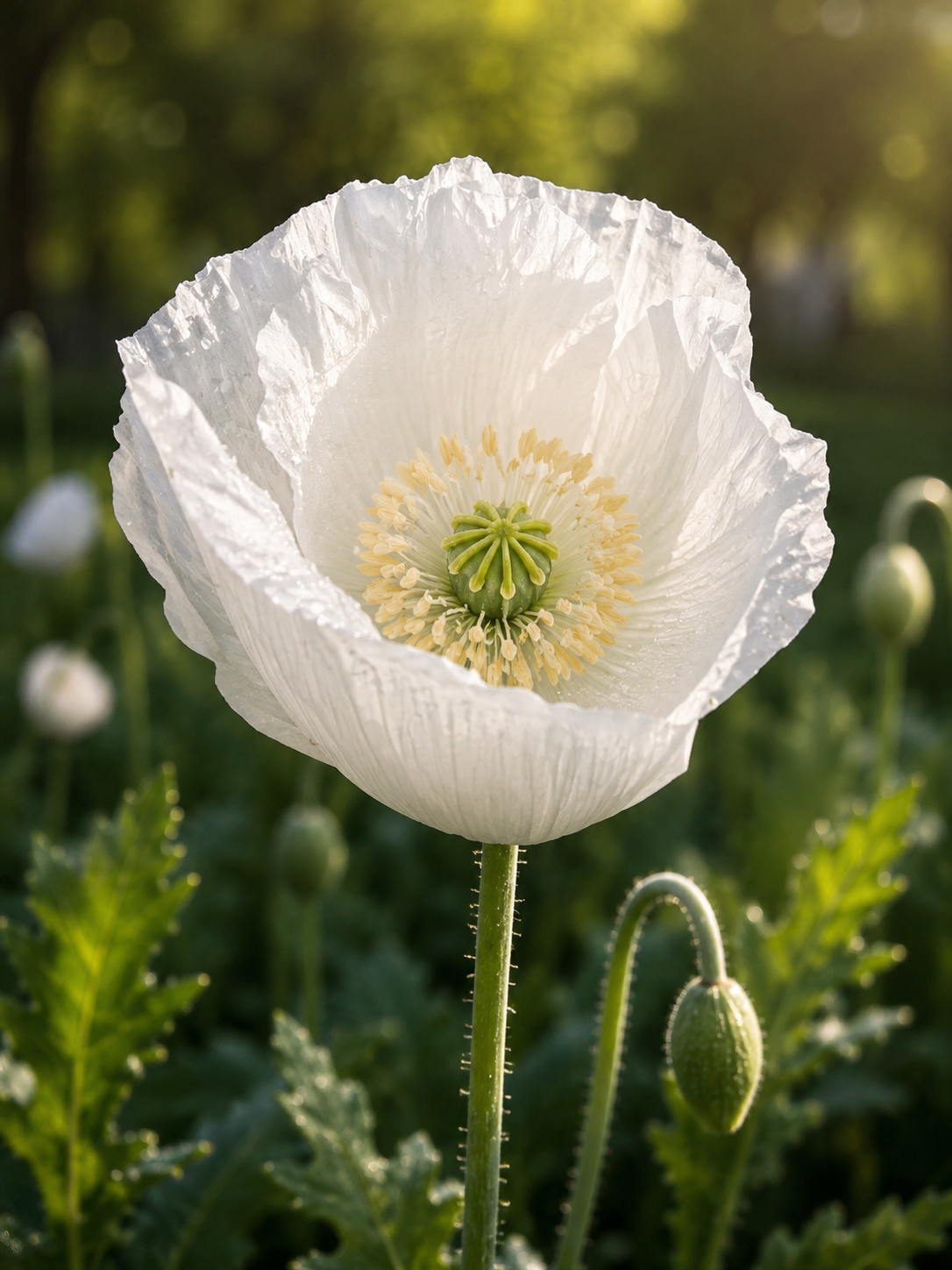
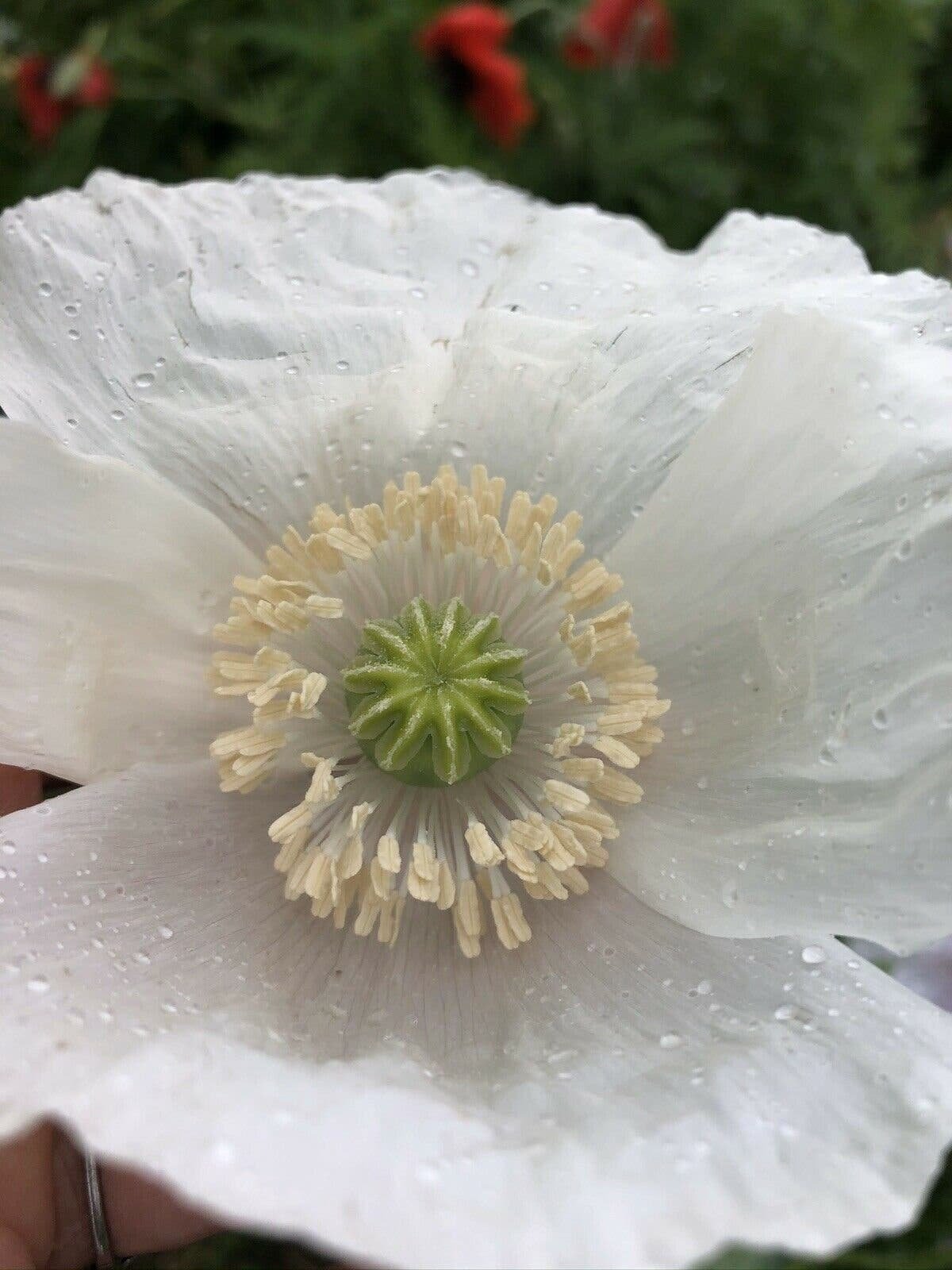
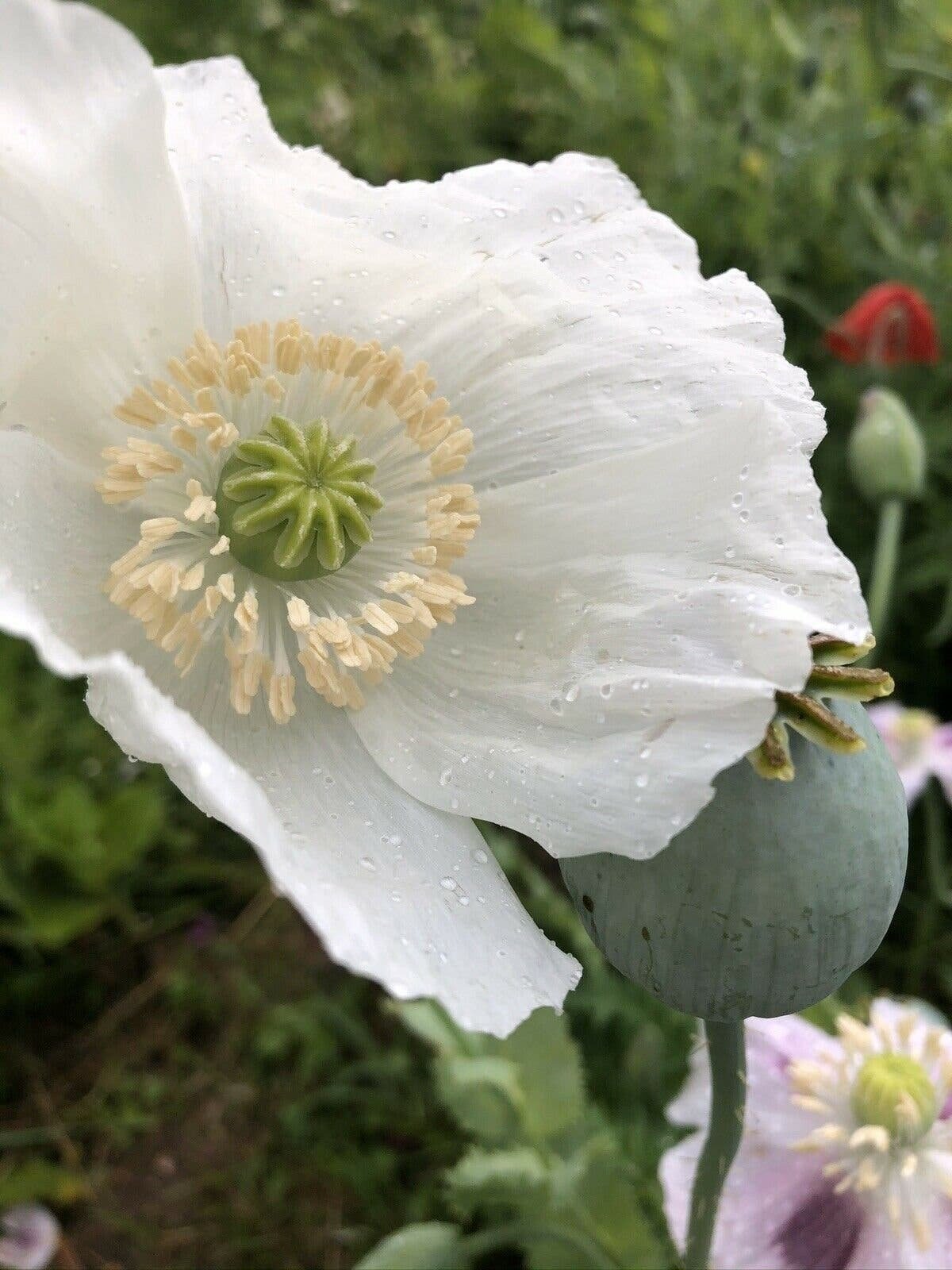
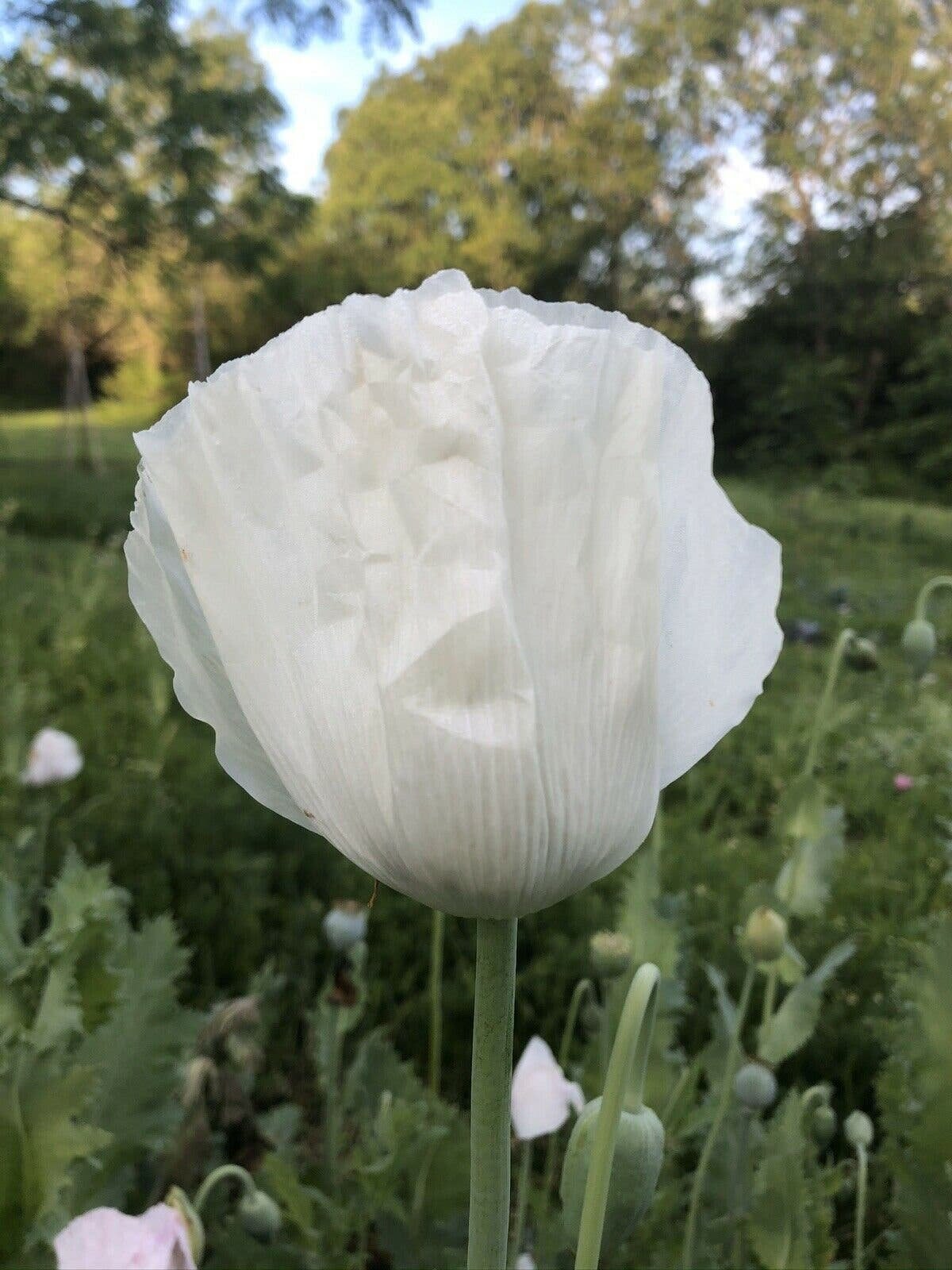
- Flowers: The blossoms are large and delicate, typically showcasing striking shades of deep mauve, lavender, or brilliant white, often anchored by deep purple or dark magenta basal spots at the center of the petals.
- Pods & Allopolyploid Breeding Value: The seed capsules (pods) are generally dense, rounded, or slightly ovoid. For plant breeders focusing on allopolyploid stabilization—the manipulation of multiple chromosome sets to combine the vigor and disease-resistance of different strains—the Panjshir landrace offers excellent genetic material. Its natural tolerance to dampness, frost, and fungal pathogens makes it a frequent candidate for crossing with lower-growing, prolific strains (like the Izmir bush variants) to generate robust new hybrids.
2. Historical & Regional Context
The history of this specific landrace is deeply intertwined with the geography of the Panjshir Valley. While provinces in southern and eastern Afghanistan (such as Helmand and Nangarhar) historically became the epicenters of massive, commercial opium production, Panjshir followed a drastically different path.
- The “Poppy-Free” Status: Geographically isolated by the Hindu Kush mountains and fiercely independent, the Panjshir province actively resisted the large-scale narcotics trade that dominated other regions in the late 20th and early 21st centuries.
-
The Good Performance Initiative: In the mid-to-late 2000s, Panjshir was officially recognized and awarded millions of dollars in development aid by the central government and international agencies for maintaining a strictly “poppy-free” status on a commercial level. The funding was funneled into agricultural machinery, greenhouses, and orchards to promote sustainable, legal subsistence farming (like wheat, fruit, and nuts).
- Survival as a Landrace: Because commercial monoculture was suppressed, the Panjshir poppy largely survived in small, isolated domestic gardens, alpine pockets, or via preservation by international seed collectors. This kept the strain from being hybridized out of existence by the high-yielding, homogenized commercial cultivars used in the southern valleys.
3. Cultivation Notes for Collectors
For those cultivating Papaver somniferum varieties for ornamental or seed-saving purposes, the Panjshir landrace requires conditions that mimic its mountainous origin:
Germination Tip: True to its alpine heritage, Panjshir seeds respond exceptionally well to cold stratification. Sowing them directly onto frozen ground or light snow in late winter allows them to break dormancy naturally. The seeds require light to germinate, so they should be surface-scattered rather than buried.
- Soil & Nutrients: It prefers well-drained, gritty soils. While it survives in poor dirt, providing a nitrogen-heavy feed during its early vegetative “rosette” stage will maximize the number of secondary flower stalks it throws out.
- Culinary Use: Like all breadseed poppies, the seeds produced within the dried capsules are entirely edible, nutty, and highly sought after for baking once thoroughly washed.
Let me know if you are looking to dig into specific genetic traits, its viability in northern latitudes, or how it behaves when cross-pollinated with other bush varieties.
Reviews
There are no reviews yet.